2026 Vintage Report
The 2026 growing season was marked by uncertainty, with weather patterns proving difficult to predict and highly variable across Central Otago.
Winter (July–August) was slightly warmer than average, though still delivered the expected sequence of frost nights — a positive reset for the vines heading into spring.
In late September, a rare Sudden Stratospheric Warming (SSW) (Read more) event developed over Antarctica. These events, where stratospheric temperatures rise dramatically (from around –55°C to near 0°C), are known to disrupt normal weather patterns, increasing the likelihood of strong winds, rainfall, and cold outbreaks.
From 21 September, conditions reflected this influence. Westerly winds became stronger and more persistent through late spring, accompanied by more frequent rainfall. A classic SSW feature followed on 27–28 October, when a sharp southerly blast brought temperatures below 7°C for 24 hours and snow to low levels. Notably, frost did not follow, as cloud cover and winds returned quickly.
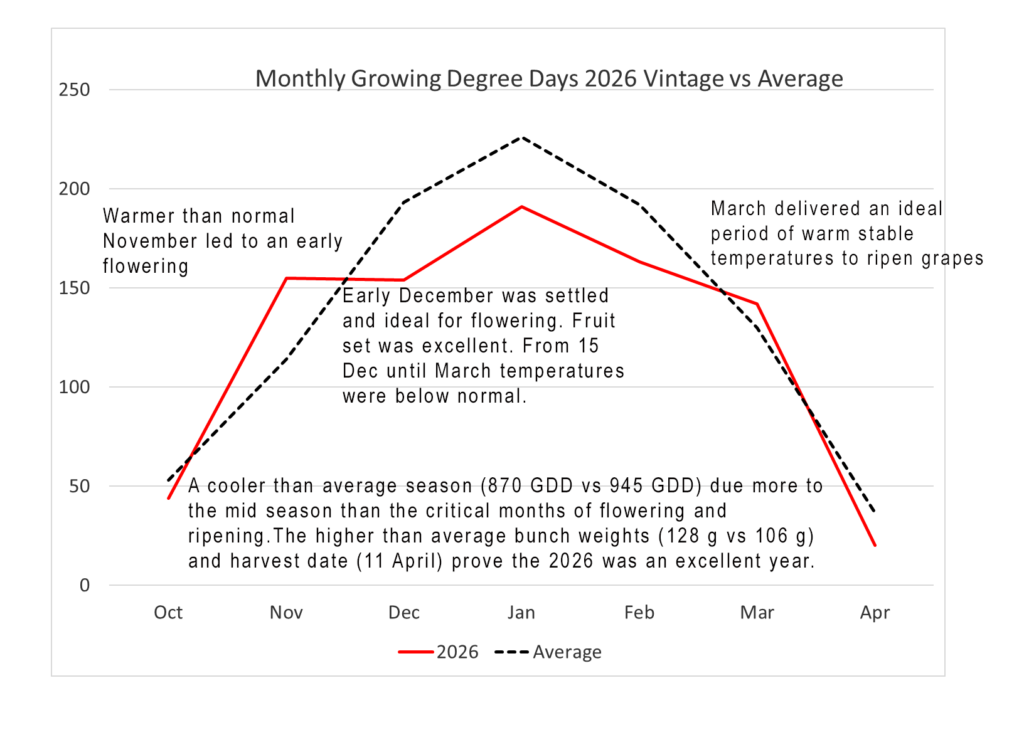
A second major climate driver emerged with an extreme negative Indian Ocean Dipole (IOD) (Read more) in November — a level not seen for decades. Together, these two systems introduced ongoing variability, particularly cooler-than-normal temperatures from mid-December through to late February.
Spring growth reflected these conditions. October temperatures were below average, with vine development tracking around one week behind the previous season. November reversed this trend, with warmer conditions and a peak of 26°C recorded on 4 November.
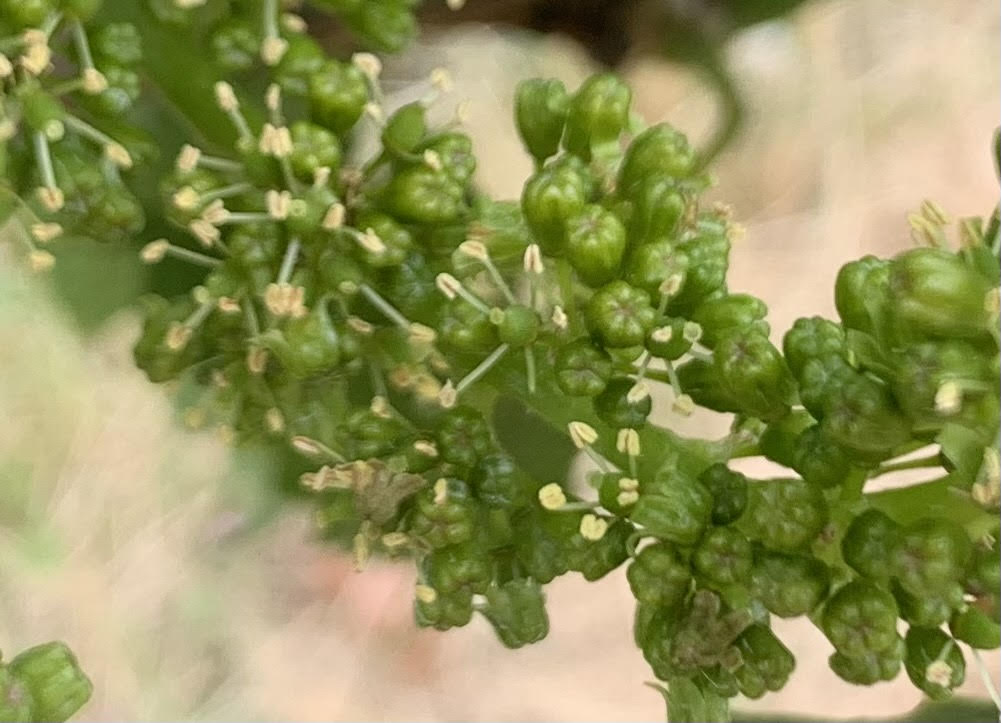
December proved uneven. The first half was warm (averaging 16.1°C), providing favourable flowering conditions, largely completed by 15 December. The second half cooled significantly (averaging 13.8°C), resulting in an overall cooler-than-average month despite the strong start.
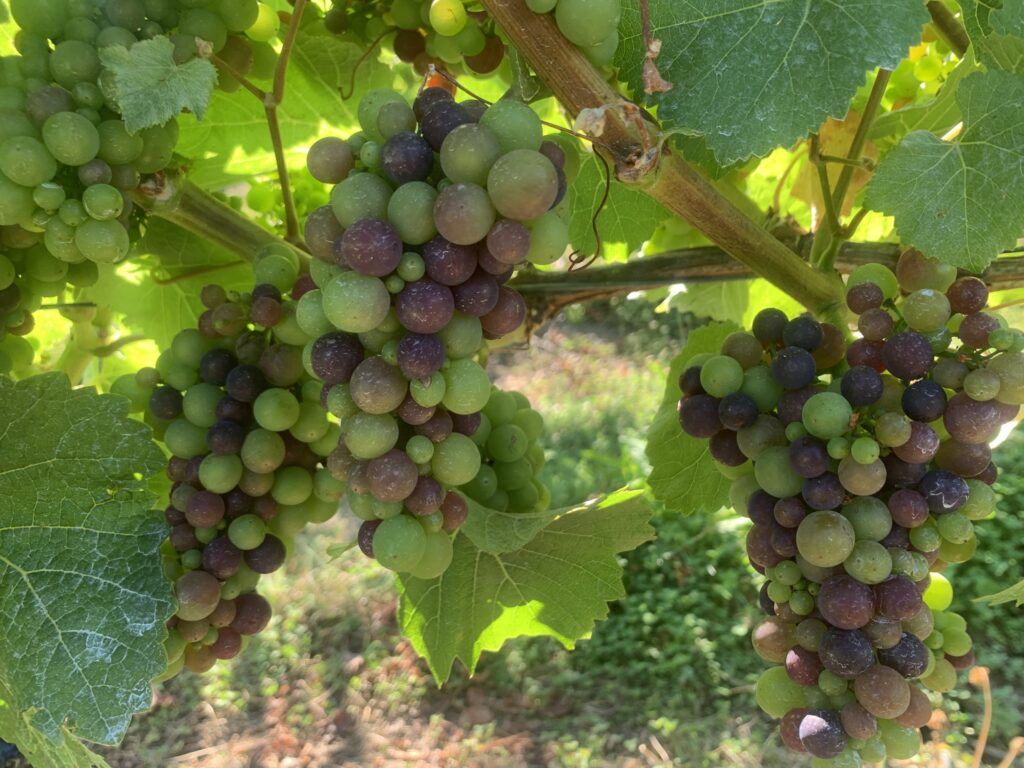
The cooler pattern persisted through January and February, creating a cumulative ten-week period of below-average temperatures. Phenological stages, including véraison and ripening, trailed by one to two weeks — late, but not concerning.
March delivered near-perfect ripening conditions for Pinot Noir, with warm days, cool nights, minimal rainfall (12 mm), and just one frost. April continued in the same vein: stable, dry conditions with no frost events and only one day of rain.
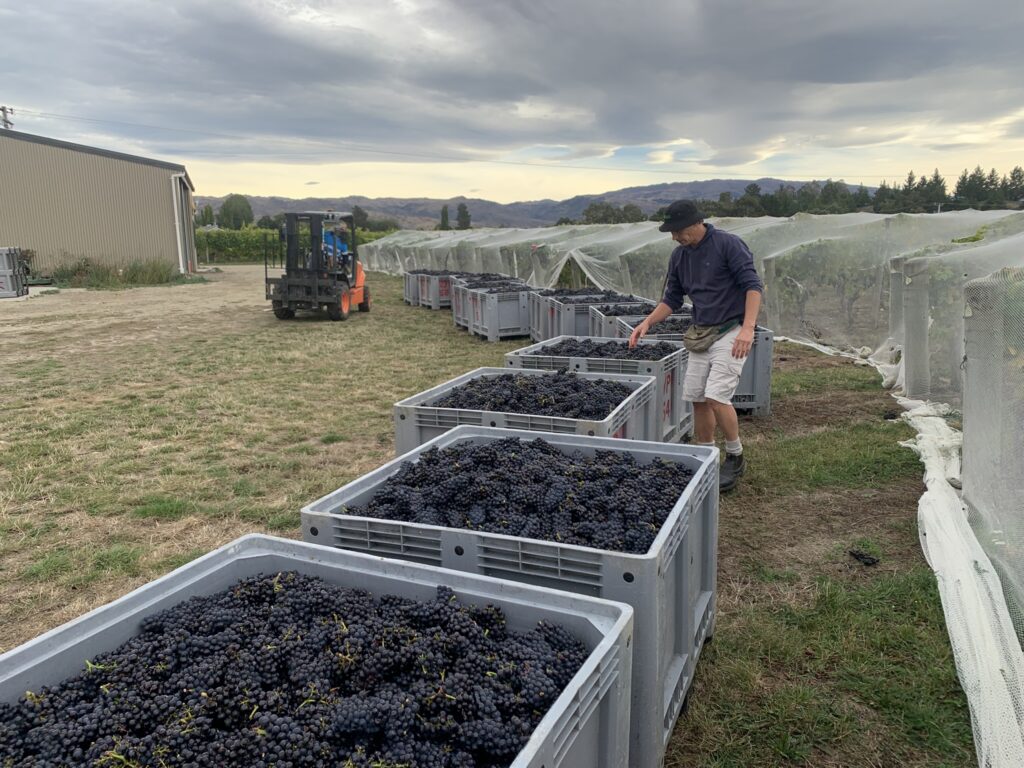
April. Harvest commenced on 11 April. Average bunch weight reached 128g, compared with a long-term average of 106g.
The result: exceptional fruit condition. The grapes were clean, intensely flavoured, and harvested at relatively moderate sugar levels — an ideal balance. Despite early-season uncertainty, the vintage has delivered outstanding quality.
The 2026 vintage marks our 21st at Grasshopper Rock.